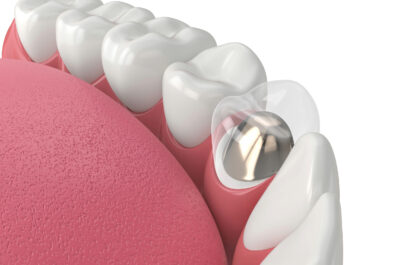


Within the field of dentistry, the early identification of potential problems can help you to minimize damage. Endodontics refers to the specialization of dentistry in the correction of issues related to the internal portion of the tooth. A root canal is one common procedure related to this topic of study of which you may be familiar. This is the removal of the soft tissue of the pulp in order to eradicate a painful infection of the tooth.
In order to best know how to protect yourself, it is helpful to understand the different layers of tissue within your tooth. You give yourself the greatest amount of power when you arm yourself with accurate knowledge of how your smile operates. Prevent future harm and restore your existing smile with helpful assistance from Omni Endodontics in El Paso, TX. Whether you are in need of immediate repair or are just looking for information, knowledge of anatomy could help you to understand the mechanisms of the mouth. (more…)


When a bacterial infection reaches the internal fleshy portion of the tooth, a painful throbbing ache can arise that will continue until you seek proper endodontic treatment. This is a result of these tiny germs taking over the nerve at the location. Bacteria will continue to grow without the appropriate removal of these microorganisms. Take the steps necessary to eradicate your infection.
The onset of a painful toothache can point to serious trouble with your oral health. That discomfort you feel could be the symptom of an infection, which means your tooth will need to undergo root canal therapy to have its well-being restored. What can be especially worrying is having problems with a tooth that has already been through this process. What should you do if discomfort persists or returns after treatment?
The impact of dental decay is worrying even when the problem is caught early. This is because harm from a cavity is permanent. Typically, this is a problem that a general dentist can deal with through the placement of a dental filling or dental crown, but there are times when a more involved service must be provided. In some cases, a review will lead to the recommendation that your tooth should be removed and replaced!
If your general dentist cannot save your tooth, is there really nothing left to do but have it extracted and replaced? This work can lead to the restoration of your smile and oral health. With that said, it calls for multiple involved restorative procedures, something that can be less than exciting. With the support of
What will it take to care for your tooth once a cavity forms? Answering this question will require a review; issues with decay worsen as time passes, and the harm to your enamel can affect how your treatment proceeds. There are times when the harm is so serious that you ultimately need to undergo care to address trouble within the tooth structure.
There are different obstacles that people can face after a significant oral health issue; when they are not cleared, treatment can involve the extraction of their tooth rather than its restoration. One concern is that too much structural harm has occurred, which will make it difficult to place a dental crown. The good news is that this is something that can be addressed through treatment.
At a general dental checkup, you can receive feedback about your smile, and you can learn if there are any recently formed issues that require attention. Problems in their earlier stages can be resolved with a treatment that minimizes overall changes to your tooth structure and appearance. However, if a problem has grown severe, it can become more difficult to address. You may even find that your general dentist can only offer treatment in the form of extracting your tooth. Does this mean you have to lose your tooth if you want to restore your oral health?
You can feel a strong sense of relief when you undergo dental work and put a stop to ongoing dental discomfort. A procedure should be the end of your concerns over an issue with decay or dental damage. Unfortunately, pain and sensitivity issues may continue after work is done, or you may experience new problems with a tooth that has gone through treatment in the past. If this is something you are currently dealing with,